
Sosial Qumar Məkanı Artımı: Onun Effektini və Populyarlığını Anlamaq
May 7, 2026Le Migliori Strategie per la Definizione Senza Perdita Muscolare
May 7, 2026Understanding the psychological triggers that drive casino behavior
The Allure of the Casino Environment
The casino environment is designed to be visually stimulating, employing bright lights, vivid colors, and enticing sounds that create an engaging atmosphere. This sensory overload is intentional, aimed at keeping players captivated and immersed in the gaming experience. For those exploring options, the best boxing betting sites can also provide similar excitement in a different format. The combination of these elements creates a sense of euphoria, making it hard for players to resist the urge to continue gambling. Psychological studies indicate that the stimulating environment can activate the brain’s reward pathways, further enhancing the desire to play.
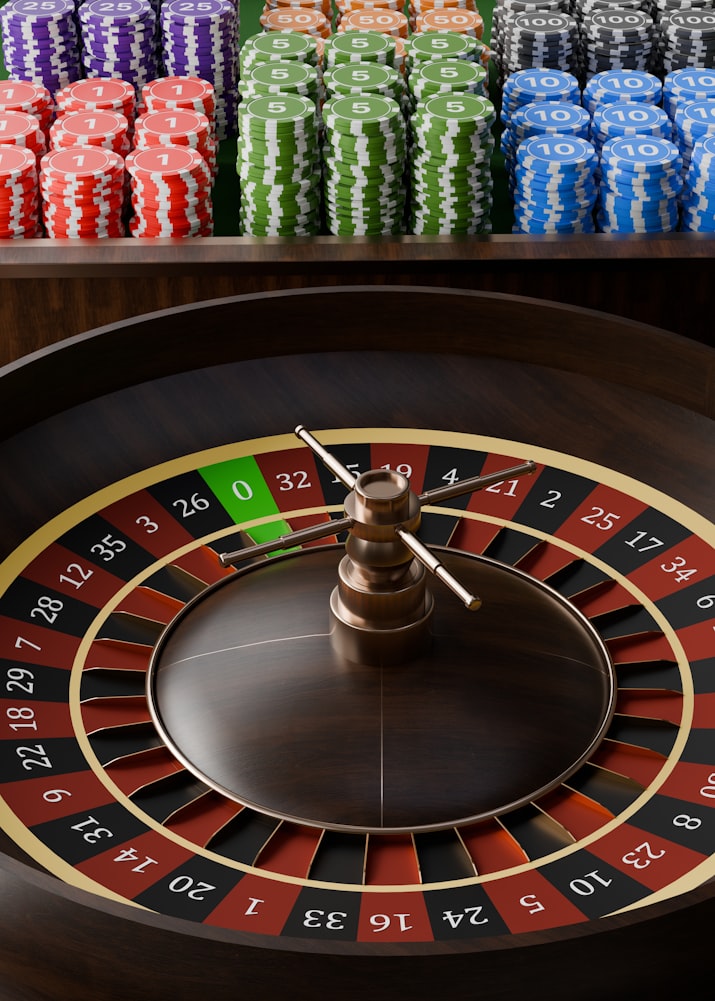
Moreover, the layout of casinos is meticulously crafted to encourage exploration and lingering. Table games, slot machines, and entertainment options are strategically placed to maximize player engagement. The absence of windows and clocks contributes to a loss of time awareness, which can lead players to lose track of their duration in the casino. This disorientation is a significant psychological trigger that encourages prolonged gambling sessions and can lead to impulsive decision-making.
The social aspect of casinos cannot be overlooked either. The presence of other players and the excitement of shared experiences amplify feelings of excitement and camaraderie. Interaction with dealers and other gamblers fosters a sense of community that can make players feel more comfortable engaging in risky behaviors, increasing their likelihood of spending more money. This social environment creates an emotional connection that is hard to break, making it easier for players to justify their gambling habits.
The Psychology of Reward and Risk
Understanding the psychology of reward and risk is vital in comprehending casino behavior. Gambling often leads to the unpredictable nature of winnings, triggering the brain’s dopamine response. This chemical reaction creates feelings of pleasure, leading players to seek out repeated experiences of winning. Even small wins can reinforce gambling behavior, making players more likely to return to the casino. This phenomenon can be particularly potent, as it instills a hope for bigger wins that may never come.
The concept of “near misses” also plays a significant role in driving behavior. Players often interpret near misses—where they almost win—as a sign that they are close to winning, further encouraging them to continue gambling. This psychological trick can lead to an increased sense of optimism and a false belief in skill, prompting players to increase their bets in hopes of achieving that elusive jackpot. Recognizing these psychological triggers is essential for understanding the often irrational behavior exhibited by gamblers.
The thrill of risk is another psychological driver in casino behavior. The excitement associated with taking chances on games of chance can evoke feelings similar to those experienced in adventure sports. For many, the adrenaline rush of betting large sums can become addictive, overshadowing the risks involved. This thrill-seeking behavior can lead to a cycle of repeated gambling and loss, as players chase the high rather than focusing on their financial well-being.
The Role of Marketing and Promotions
Casinos deploy sophisticated marketing strategies to tap into psychological triggers and enhance player engagement. Promotions such as loyalty programs, free play offers, and bonuses play a critical role in attracting new players and keeping existing ones. These incentives often create a sense of belonging and value, prompting players to return to the casino regularly. Such marketing tactics exploit the psychological principle of loss aversion, where individuals are more motivated to avoid losing benefits than to seek new rewards.
Moreover, targeted advertising, often aimed at specific demographics, ensures that casinos reach potential high-rollers and casual players alike. The use of social media and email marketing campaigns allows casinos to maintain constant engagement with players, continually reminding them of potential winnings and exclusive offers. By presenting an appealing narrative around gambling, casinos can effectively stimulate the desire to visit and spend money within their establishments.
Additionally, the excitement of tournaments and special events introduces a competitive aspect to gambling that can further escalate player involvement. Players are motivated not just by winning money but also by the status and recognition that comes with performing well in these events. The combination of marketing tactics, social competition, and psychological incentives creates a powerful environment that keeps players returning to the casino.
The Impact of Online Gambling
The rise of online casinos has transformed traditional gambling behavior significantly. With the convenience of access from home, many players are increasingly drawn to online platforms. The psychological triggers present in brick-and-mortar casinos, such as social interaction and immersive environments, are adapted in the digital realm through vibrant graphics, engaging soundtracks, and social features like live dealer games. This shift means that psychological triggers continue to play a crucial role in online gambling behavior.
Online gambling platforms capitalize on the element of instant gratification, as players can immediately access games without the need for travel or socialization. This immediacy can amplify the thrill of gambling, leading to impulsive behavior. Players may find it easier to make quick bets online without the physical constraints of a traditional casino, contributing to heightened gambling frequency and potential financial distress.
Additionally, the anonymity provided by online gambling can diminish the perceived risks associated with gambling behavior. Players may feel less accountable for their actions, leading to riskier betting behaviors. The ability to easily deposit and withdraw funds online also means that players can quickly lose track of their spending. This combination of accessibility and reduced accountability creates a challenging environment for responsible gambling practices.

Final Thoughts on Casino Behavior Insights
Understanding the psychological triggers that drive casino behavior is essential for both players and industry stakeholders. By recognizing the elements that influence gambling decisions, individuals can become more aware of their behaviors and make informed choices about their gambling habits. This awareness is vital in fostering a culture of responsible gambling, particularly in an age where both physical and online casinos continue to evolve.
Educational initiatives and resources aimed at raising awareness about these psychological triggers can empower players to make healthier decisions. As the gambling landscape grows increasingly complex, it is crucial to prioritize mental well-being and financial literacy, helping individuals navigate the exciting yet risky world of casinos.
