
pin up-da cazino əmsallarının riyazi dərinliyi və qiymətləndirmə üsulu
September 3, 2026Fairplay slots and crash games: discover the thrilling options for Indian players
September 3, 2026
The Illusion of Certainty in Games of Chance
One of the most pervasive myths about casino gambling is the idea that players can gain significant insight into which games are guaranteed to yield wins. Many believe that by studying patterns or using betting systems, they can predict outcomes and reduce the element of chance. In reality, games like slots, roulette, and blackjack, while offering varying levels of skill, are fundamentally based on probability and randomness. For those interested in exploring options, anonymous casinos can offer unique experiences that emphasize fun rather than strategy. The outcome of each game is determined by random number generators or physical chance, meaning that no amount of analysis or strategy can truly guarantee a win.
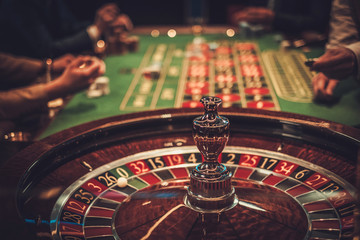
This misconception often leads players to believe they can beat the house advantage, which is a built-in element in every casino game. For example, in roulette, each spin of the wheel is independent of the previous spins, rendering any betting strategy based on past results ineffective. Such beliefs can create a false sense of security and encourage players to wager more than they should, potentially leading to financial pitfalls. Understanding that luck plays a crucial role in casino gambling is vital for any participant to maintain a healthy relationship with gaming.
Moreover, this myth can fuel a cycle of chasing losses, where players continuously gamble in hopes of recouping previous losses based on false assumptions about their ability to predict outcomes. The reality is that while some games may involve an element of skill, excessive reliance on supposed strategies can be detrimental. Recognizing the role of chance in gambling is essential to enjoy the experience responsibly and avoid the traps of overconfidence.
The Gamble of Control: Chasing Losses
Another common myth in the world of casino gambling is the belief that players can control their chances of winning by betting more after a loss. This notion, often referred to as “chasing losses,” implies that a player can eventually recover their lost funds by risking even more money. However, this practice is fraught with danger and can lead to significant financial distress. The idea hinges on the incorrect assumption that wins are due after a string of losses, which is not rooted in the actual mechanics of gambling.
In reality, each bet placed is an independent event, and previous losses do not influence future outcomes. For instance, if a player loses several rounds of blackjack, they might feel compelled to increase their bets in an effort to strike it lucky. This strategy can lead to substantial losses, as the house edge remains constant no matter the player’s betting pattern. Educating oneself about the inherent risks and understanding that gambling should be regarded as entertainment rather than a reliable source of income is crucial for responsible play.
Furthermore, the emotional toll of chasing losses can lead to a cycle of compulsive gambling. Players may find themselves in a downward spiral, spending more time and money in hopes of a big win that never materializes. Acknowledging the reasoning behind this myth and setting personal limits can help gamblers to avoid the pitfalls that accompany the desire to control outcomes through increased betting. Awareness of the psychological factors at play can contribute to a healthier and more balanced gambling experience.
Understanding the House Edge
A widespread myth is that all casino games are rigged against players, which can often deter individuals from even trying their luck. While it’s true that casinos hold a statistical advantage in every game, this does not equate to cheating or unfair practices. The house edge is a necessary component that allows casinos to operate and provide entertainment. Understanding how the house edge works demystifies the notion of rigging and helps players make more informed choices about their gaming experience.
The house edge varies from game to game, often providing players with differing probabilities of winning. For instance, games like craps and blackjack can offer better odds than slot machines. This variance means that some games are more favorable to players than others, but they all ultimately favor the casino over time. Players who are aware of these edges can choose their games wisely, enhancing their experience with informed decisions rather than misconceptions about fairness.
Educating oneself about the house edge fosters a more realistic perspective on gambling. Players should be aware that while they may win in the short term, the long-term probability remains in favor of the casino. Understanding this concept leads to a more enjoyable experience, as players can approach their gaming with both excitement and clarity. By recognizing the operational realities of casinos, individuals can mitigate dissatisfaction and make more responsible gambling choices.
Social Stigma and Its Impact on Players
Casino gambling is often accompanied by social stigma, which can perpetuate various myths about who gamblers are and what gambling entails. Many people tend to believe that gambling is solely a vice, associated with irresponsible behavior or financial ruin. However, this perspective overlooks the fact that many individuals gamble responsibly as a form of entertainment. This stigma can discourage potential players from engaging in gambling activities, causing them to miss out on a fun and social experience that, when done responsibly, can be quite harmless.
The issue of social stigma can adversely affect players’ self-perception and contribute to feelings of shame or guilt, particularly if they do experience losses. This can lead to a reluctance to seek help from friends or professionals if gambling becomes problematic. It’s important to create a more balanced narrative around gambling, acknowledging that while it can be risky, many enjoy it sensibly without adverse effects. Engaging in open discussions can help reshape the perception of gambling and promote healthier attitudes towards it.
Promoting the idea that responsible gambling is key can also empower players to enjoy the activity without fear of judgment. Encouraging social awareness and understanding can dismantle harmful stereotypes, supporting a culture where gambling can be viewed as a legitimate form of entertainment. Through education and community engagement, the stigma surrounding casino gambling can be gradually transformed, allowing individuals to partake in gaming activities with a sense of pride rather than shame.
Exploring Responsible Gambling Resources
In light of the myths and misconceptions surrounding casino gambling, it is crucial for players to be equipped with the necessary resources to ensure responsible gaming. Many casinos offer tools and programs aimed at educating players on gambling responsibly. These resources include information on budgeting, setting limits, and recognizing when gambling may be becoming problematic. Ensuring players have access to support can serve as a valuable safeguard against the potential negative effects of gambling.
The availability of hotlines, support groups, and educational materials can help players understand their motivations and set healthy boundaries. Engaging with these resources empowers individuals to take control of their gambling habits rather than becoming victims of the myths that surround the activity. By fostering an environment where players feel supported, the gambling experience can be both enjoyable and safe.
Online platforms often provide extensive information about responsible gambling, including self-assessment quizzes and tips for maintaining a healthy relationship with gaming. Ultimately, informed individuals who harness these resources can enjoy their gambling experiences without falling prey to harmful myths. By actively seeking knowledge and support, players can navigate the world of casino gambling with confidence and care.
